
The shocking truth about employer coverage that could be costing you thousands
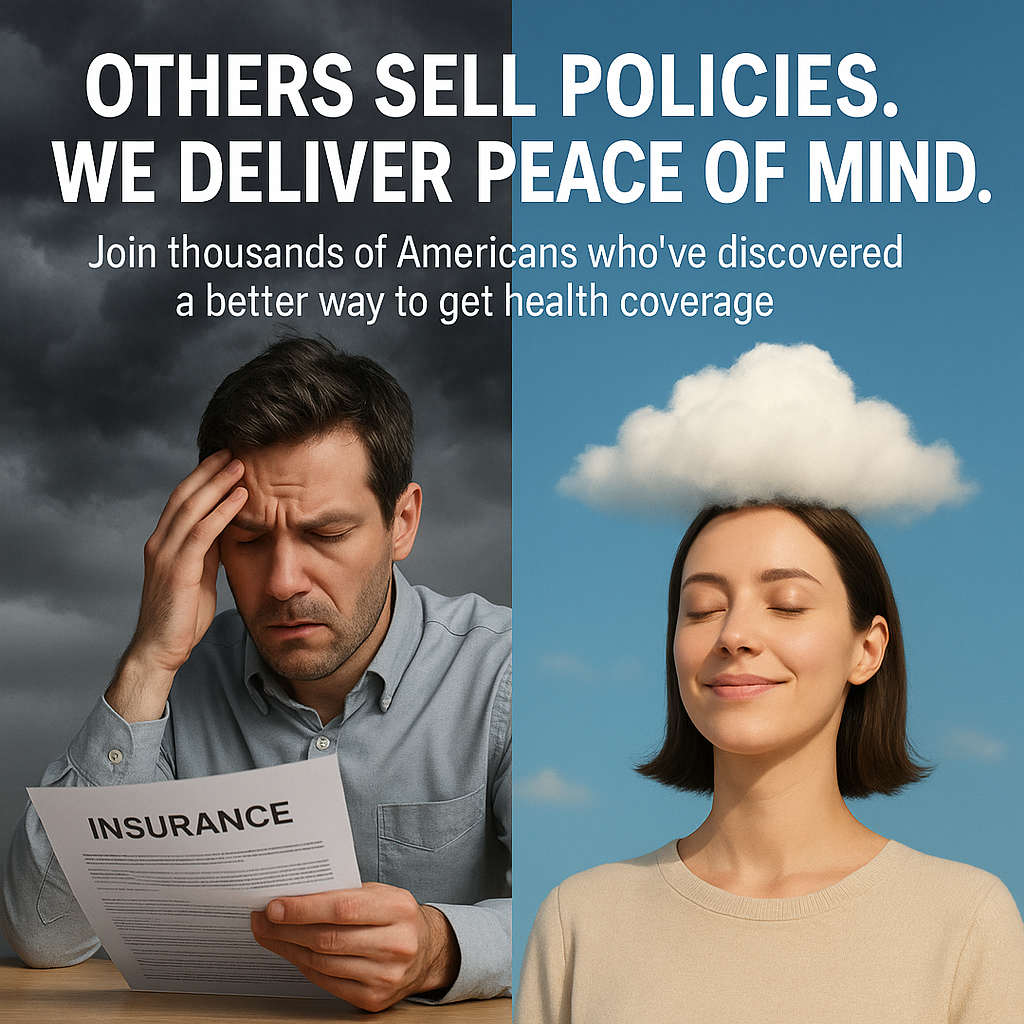
Your HR department means well, but they’re not telling you the whole story about health insurance. While they’re busy explaining deductibles and co-pays during open enrollment, there’s a massive blind spot in their presentation that could be leaving you and your family vulnerable.
Here’s what most employees don’t realize: your employer’s health plan might not be your best option—or even a good one.
You’re Trapped in a One-Size-Fits-All System
Think about it. Your company’s HR team selected one or maybe two health insurance options for hundreds or thousands of employees. They chose plans based on what works for the “average” employee—but when was the last time you felt average?
The reality is stark:
- Your employer’s plan was designed for their budget, not your health needs
- You’re stuck with their chosen network of doctors and hospitals
- The coverage gaps that don’t affect most employees could devastate your specific situation
- You have zero negotiating power when it comes to premiums or benefits
For self-employed professionals, gig workers, and freelancers, this problem is even more pronounced. You’re told to “just get something from the marketplace,” but navigating those options feels like trying to solve a puzzle with half the pieces missing.
What This Really Means for Your Life
Let’s get real about what this limited thinking costs you every single day.
You’re paying for coverage you don’t need while missing coverage you do need. That comprehensive maternity benefit? Useless if you’re past childbearing years. The extensive mental health coverage? Great in theory, but worthless if none of the covered therapists are accepting new patients in your area.
Meanwhile, you might be desperately needing:
- Access to specialists outside your employer’s narrow network
- Coverage for alternative treatments that actually work for your condition
- Flexible options that adapt as your life changes
- Plans that don’t penalize you for being healthy
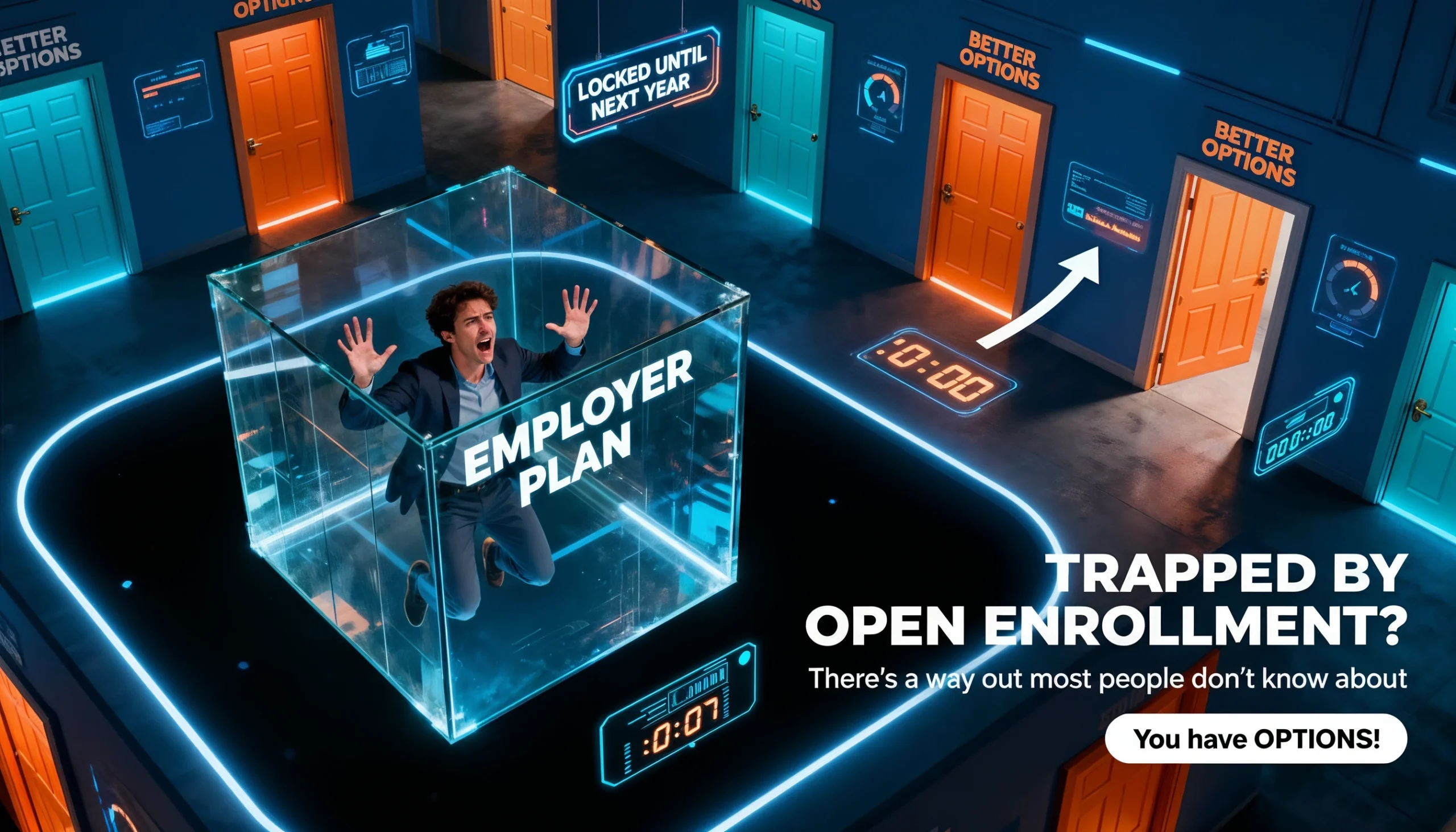
The enrollment trap gets worse every year. You’re locked into your employer’s choices for twelve months at a time. Miss that tiny enrollment window? Too bad. Life changes dramatically? You’re stuck until next year—unless you qualify for one of those mysterious “qualifying events” that HR barely explains.
For those without employer coverage, the confusion multiplies. You’re bombarded with acronyms (HMO, PPO, EPO), metal tiers (Bronze, Silver, Gold), and subsidy calculations that require a PhD in healthcare economics to understand.
Here’s the part that should really worry you: Your employer’s insurance broker gets paid by the insurance company, not by you. Their incentive is to sell what’s profitable for them, not what’s perfect for your family’s unique situation.

There’s a Better Way to Think About Health Insurance
Smart consumers are discovering that the traditional approach to health insurance is broken—and they’re doing something about it.
The game-changer is understanding that you have options beyond what HR presents. Private under 65 health insurance plans, often called U65 plans, can offer flexibility and customization that employer plans simply can’t match.
Why Private Plans Are Different
Customization over standardization. Instead of accepting whatever your employer negotiated, you can choose coverage that actually fits your life. Need extensive coverage for a chronic condition? There’s a plan for that. Healthy and want to pay less for catastrophic coverage only? That option exists too.
Year-round enrollment flexibility. Life doesn’t wait for open enrollment periods. Private plans often allow you to make changes when you need them, not when some corporate calendar says you can.
Direct relationships with insurers. When you choose your own plan, you’re the customer—not just employee number 47,293. Customer service improves dramatically when you’re dealing directly with your insurance company.
What This Means for Your Specific Situation
For freelancers and gig workers: Stop settling for expensive COBRA or confusing marketplace plans. Private options can offer the stability and coverage you need without the bureaucratic maze.
For small business owners: You can often get better coverage for yourself and your family than what you could afford to offer employees—and sometimes at a lower cost.
For early retirees: Bridge the gap to Medicare with plans designed for your specific age group and health needs, not for twenty-somethings or families with young children.
For anyone feeling trapped by employer coverage: Explore what’s available outside your company’s limited options. You might be surprised by what you find.

The Smart Approach to Health Insurance Shopping
The key is working with professionals who understand the full landscape of health insurance options—not just what one employer or one marketplace offers.
Licensed insurance professionals can help you:
- Compare options across multiple insurance companies
- Understand the real costs beyond just monthly premiums
- Navigate enrollment periods and qualifying events
- Find plans that work with your preferred doctors and hospitals
- Adjust coverage as your life changes
Your Next Step
Your health insurance shouldn’t be an afterthought decided by someone else’s budget constraints. Whether you’re self-employed, working for a small business, or just frustrated with your current employer’s options, there are alternatives worth exploring.
The under 65 health insurance landscape is more complex than ever, but that complexity also means more opportunities to find coverage that actually works for your unique situation.
Ready to see what options exist beyond what you’ve been told? Feel free to reach out with any questions about private health insurance alternatives. Sometimes a simple conversation can reveal possibilities you never knew existed.