
Going without health insurance might seem like a money-saving strategy, but the real costs are far more devastating than most people realize.
The Silent Crisis Hitting Millions of Americans
Imagine this: You’re a freelance graphic designer, finally living your dream of working for yourself. Business is good, you’re making decent money, and health insurance feels like just another expensive monthly bill you can skip. After all, you’re young, healthy, and haven’t been to a doctor in years. What could go wrong?
This scenario plays out thousands of times across America every day. Self-employed professionals, gig workers, and early retirees under 65 are making the calculated decision to go without health coverage, thinking they’re being financially smart. But what they don’t realize is that they’re walking into a minefield of hidden consequences that extend far beyond medical bills.
More Than Just Medical Bills
The Immediate Financial Trap
When uninsured individuals under 65 face a medical emergency, they’re not just dealing with the sticker shock of hospital bills. They’re entering a complex web of financial consequences that can destroy years of careful financial planning. Emergency room visits, diagnostic tests, and even routine procedures carry price tags that can easily wipe out savings accounts and force families into debt.
But here’s what most people don’t know: hospitals often charge uninsured patients significantly more than what insurance companies pay for the same services. While insured patients benefit from negotiated rates, the uninsured face full retail pricing – sometimes three to four times higher than what insurance would cover.
The Credit Score Nightmare
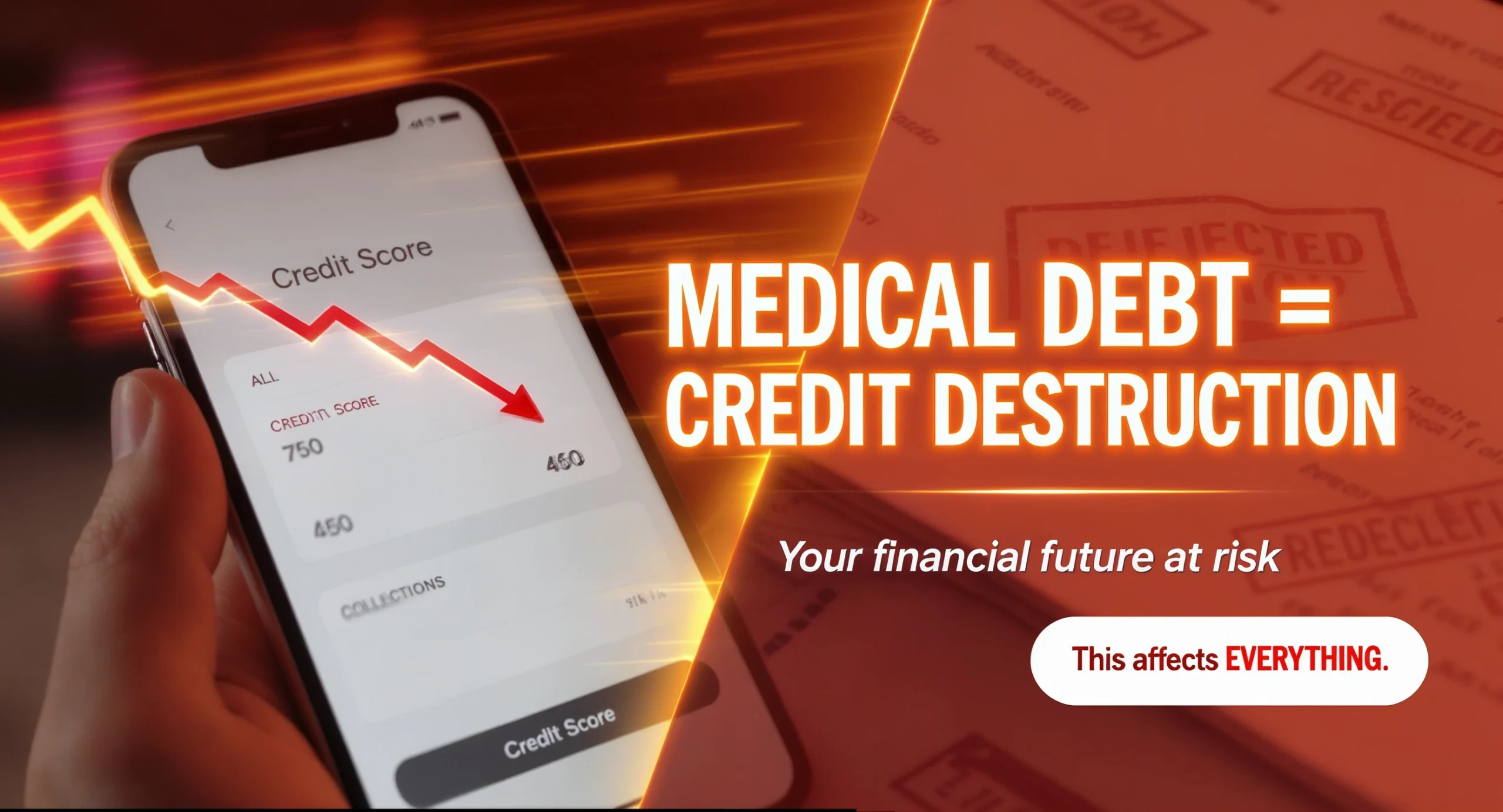
Medical debt doesn’t just disappear. When unpaid medical bills pile up, they often end up in collections, creating a devastating impact on credit scores. This hidden penalty affects far more than just future medical care – it influences:
- Ability to secure business loans for entrepreneurs
- Mortgage applications and interest rates
- Credit card approvals and terms
- Even job applications in some industries
For the self-employed professional who depends on good credit for business growth, this consequence can be career-ending.
The Healthcare Access Barrier
Without insurance, accessing preventive care becomes nearly impossible for most people. This creates a dangerous cycle where minor health issues go untreated until they become major, expensive emergencies. Regular checkups, screenings, and early interventions that could prevent serious conditions are simply out of reach financially.
The Hidden Penalties That Compound Over Time
The Emergency Room Trap
Uninsured individuals under 65 often delay seeking medical care until conditions become emergencies. Emergency rooms are legally required to treat patients regardless of insurance status, but they’re also the most expensive place to receive care. What could have been a simple office visit becomes a costly ER trip, creating bills that are exponentially higher.
Prescription Medication Costs
Without insurance coverage, prescription medications carry their full retail price. Chronic conditions that require ongoing medication can quickly become financially unsustainable, leading people to skip doses, cut pills in half, or stop treatment entirely – often with dangerous health consequences.
The Stress and Mental Health Impact
Living without health insurance creates constant anxiety about potential medical emergencies. This chronic stress affects decision-making, work performance, and overall quality of life. The mental health impact of financial vulnerability often goes unrecognized but can be just as damaging as physical health issues.
Limited Treatment Options
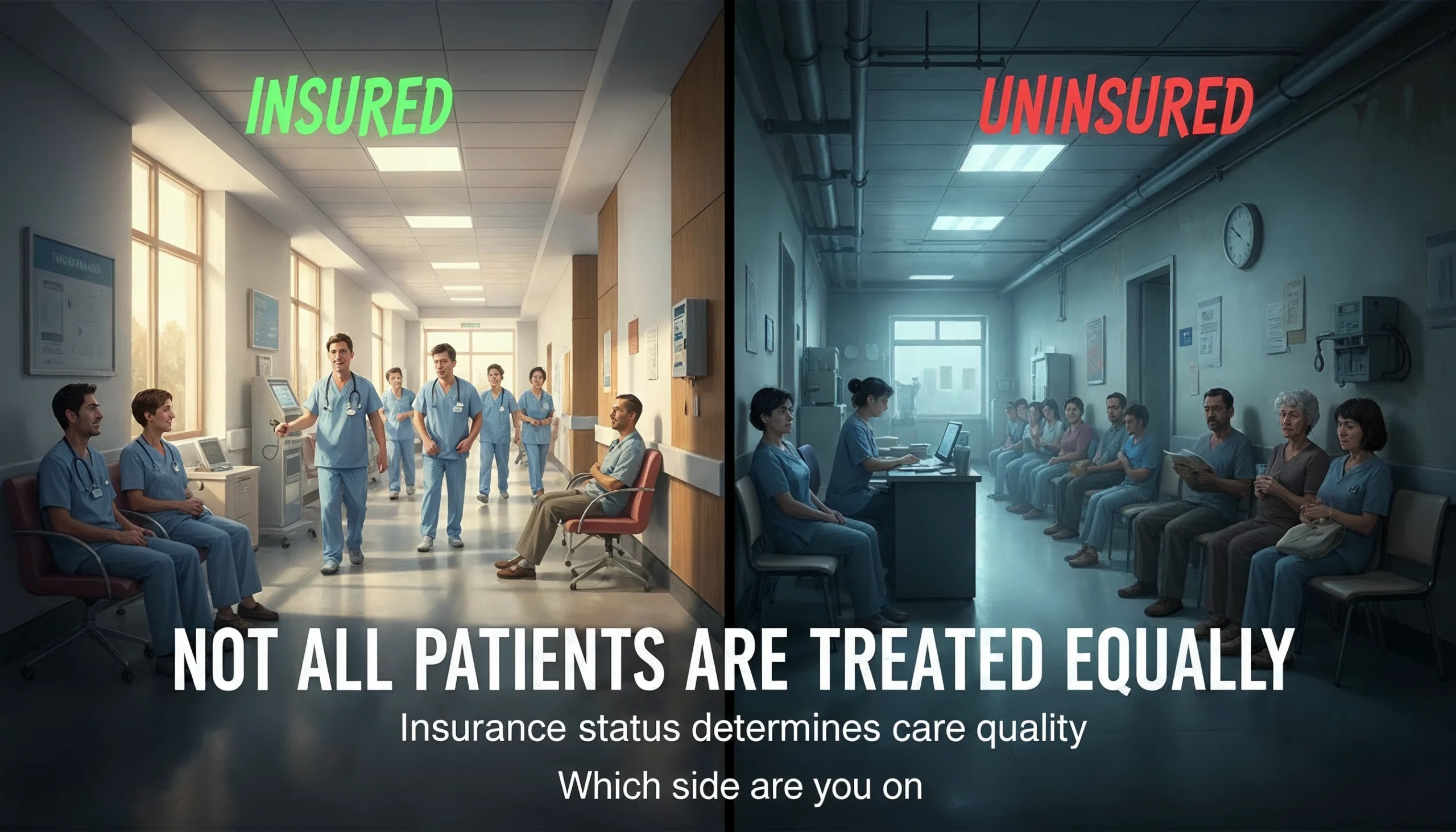
Uninsured patients under 65 often receive different levels of care. Some specialists won’t see uninsured patients, certain treatments may be unavailable, and follow-up care is frequently compromised. This two-tiered system means uninsured individuals may not receive optimal treatment even when they can afford to pay.
Understanding Your Options
ACA Marketplace Plans: More Affordable Than You Think
Many people assume ACA marketplace plans are too expensive, but they often don’t realize they may qualify for significant subsidies. Income-based premium tax credits can dramatically reduce monthly costs, sometimes making comprehensive coverage surprisingly affordable.
Private U65 Plans: Flexibility for Your Lifestyle
For those who don’t qualify for ACA subsidies or prefer more flexible options, private U65 health insurance plans offer alternatives. These plans can be customized to fit specific needs and budgets, providing coverage without the constraints of marketplace enrollment periods.
Short-Term Solutions for Immediate Needs
For people in transition – between jobs, starting a business, or waiting for employer coverage to begin – short-term health insurance can provide crucial protection during vulnerable periods.

Why Acting Now Matters
The longer someone goes without coverage, the more vulnerable they become to these compounding penalties. A single medical emergency can undo years of financial progress, while ongoing health issues without proper care often worsen and become more expensive to treat.
For the self-employed professional, gig worker, or early retiree, under-65 health insurance isn’t just about medical care – it’s about protecting the financial foundation that supports their chosen lifestyle. The peace of mind that comes with coverage allows for better decision-making, reduced stress, and the confidence to take calculated risks in business and life.
Take Control of Your Health and Financial Future
Understanding your health insurance options doesn’t have to be overwhelming. Whether you’re exploring ACA marketplace plans, private under-65 options, or short-term coverage, the key is getting accurate information tailored to your specific situation.
Don’t let the hidden penalties of being uninsured derail your financial goals and peace of mind. Feel free to contact us with any questions about your health insurance options – we’re here to help you navigate the choices and find coverage that fits your needs and budget.